Hotels Near the Tokyo Ginza Line: 19 Stations Ranked
Last updated April 2026
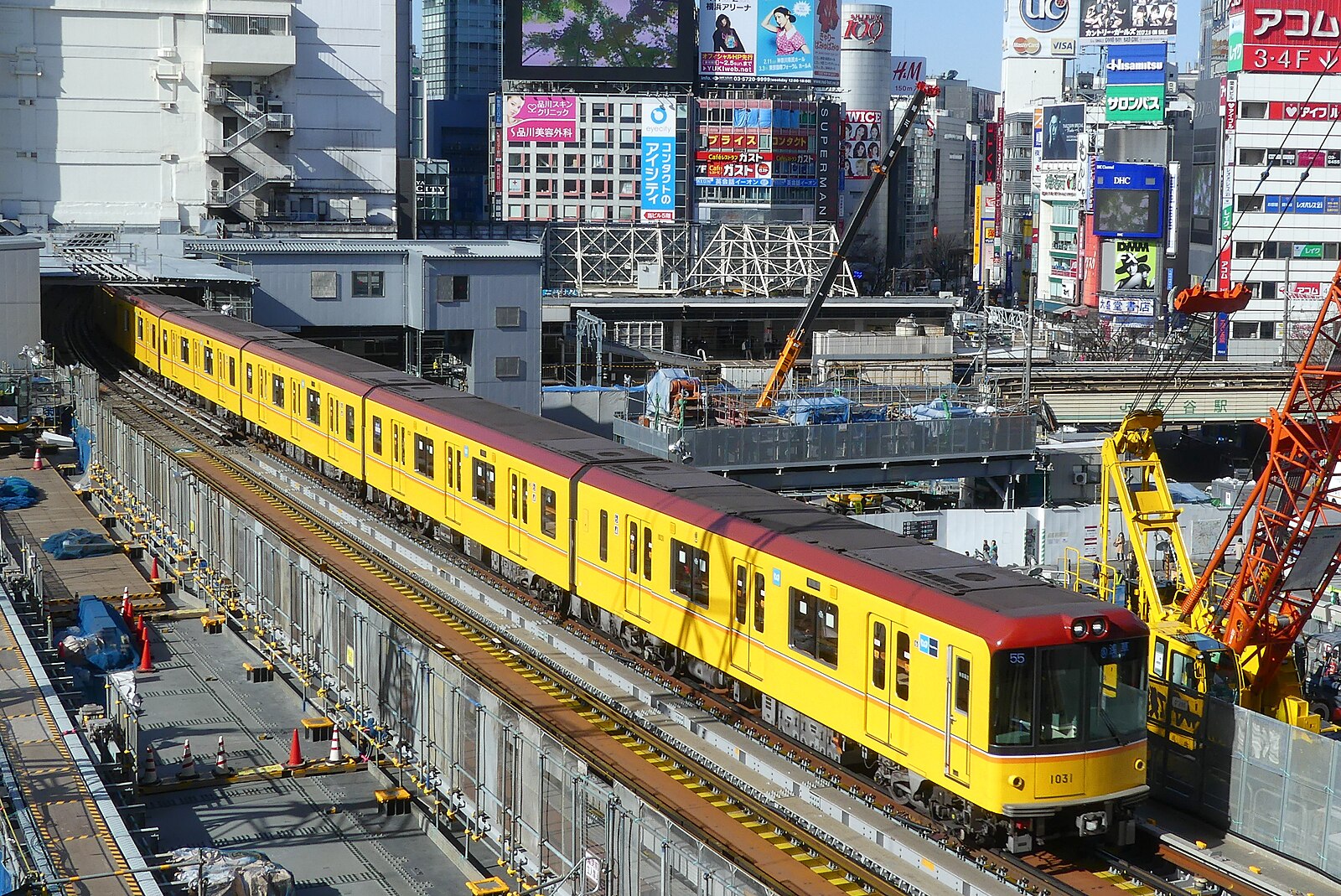
Tokyo has a lot of subway lines, but if you're visiting for the first time and want to keep navigation simple, the Tokyo Metro Ginza Line is the one to build your trip around. Running from Shibuya in the southwest to Asakusa in the northeast, it cuts through the heart of the city and puts neighborhoods like Ueno, Ginza, Akihabara, and Shimbashi all within a short, single-line ride of each other. No transfers, no confusion — just get on, count the stops, get off. That simplicity has real value when you're jet-lagged and hauling luggage.
Best stations at a glance
Compare the top-ranked station areas by hotel supply and transit lines. Each hotel map shows properties within walking distance of the station.
| Rank | Station area | Hotels within 10 min | Lines | Hotel map |
|---|---|---|---|---|
| #1 | Asakusa | 159 | 銀座線, 都営浅草線 | See hotels → |
| #2 | Tawaramachi | 146 | 銀座線 | See hotels → |
| #3 | Inaricho | 139 | 銀座線 | See hotels → |
| #4 | Ueno | 115 | 銀座線, 日比谷線 | See hotels → |
| #5 | Ueno-hirokoji | 109 | 銀座線 | See hotels → |
| #6 | Suehirocho | 91 | 銀座線 | See hotels → |
| #7 | Ginza | 87 | 銀座線, 丸ノ内線, 日比谷線 | See hotels → |
| #8 | Shimbashi | 81 | 銀座線, 都営浅草線 | See hotels → |
| #9 | Kanda | 80 | 銀座線 | See hotels → |
| #10 | Kyobashi | 78 | 銀座線 | See hotels → |
Hotel density along the line is not evenly distributed, and that matters for trip planning. The Asakusa end of the line sits in one of Tokyo's most tourist-concentrated neighborhoods, which means a huge supply of accommodation at a wide range of price points. The middle sections — Ginza, Shimbashi, Nihombashi — skew toward business hotels that fill up midweek and drop rates on weekends. The Shibuya end, once you get past Akasaka-mitsuke, thins out quickly; Omotesando and Gaienmae have boutique options but very limited inventory, so prices run high and availability is tight during peak seasons.
This guide ranks every Ginza Line station by the number of hotels within a 10-minute walk so you can match your accommodation search to the neighborhoods that actually have supply. Whether you want to wake up steps from Senso-ji or prefer a quieter business-district base with easy Shinkansen access, the data here will point you toward the right end of the line.
- 銀座線 都営浅草線
Asakusa is Tokyo's most visitor-friendly neighborhood in the traditional sense — Senso-ji temple, Nakamise shopping street, rickshaws, and more souvenir shops than you can process are all within walking distance. With 159 hotels in the 10-minute radius, it has more accommodation options than any other Ginza Line stop, spanning budget hostels, mid-range business hotels, and a handful of ryokan-style properties. It's also the eastern terminus of the Ginza Line and connects to the Asakusa Line, which runs directly to Haneda Airport via Keikyu.
See hotels near Asakusa → - 銀座線
Tawaramachi sits one stop west of Asakusa and shares much of the same hotel inventory — many of those 146 properties are genuinely within easy reach of Senso-ji without the higher prices that come with an Asakusa address. The immediate area around the station is quieter and more residential, with a concentration of kitchen supply shops on Kappabashi Street nearby. For travelers who want Asakusa access without being in the thick of the tourist corridor, this stop is a practical alternative.
See hotels near Tawaramachi → - 銀座線
Inaricho is another stop in the Asakusa-adjacent cluster with strong hotel supply — 139 properties within a 10-minute walk. The neighborhood has a low-key shitamachi character, meaning it retains some of old Tokyo's street-level atmosphere without the tour group density of Asakusa itself. Budget-conscious travelers often find better rates here than at the terminus while still being a short walk from the same sights.
See hotels near Inaricho → - 銀座線 日比谷線
Ueno punches above its weight as a base: 115 hotels, a massive park with world-class museums, the zoo, Ameyoko market, and one of Tokyo's busiest rail hubs all within reach. The JR Ueno Station handles Shinkansen trains to northern Honshu, and the Narita Express stops here on its run from the airport — making it one of the smoothest arrival points in the city. The Ginza Line stop connects directly to the rest of the line, so you're never more than a few stops from central Tokyo.
See hotels near Ueno → - 銀座線
Ueno-hirokoji is the second Ginza Line station serving the Ueno area, positioned slightly south of the main JR hub. Its 109-hotel inventory overlaps significantly with Ueno station's radius, and many travelers staying near here treat it as a quieter entry and exit point for the same neighborhood. The stop is useful if you prefer walking along the southern edge of Ueno Park or heading toward Okachimachi.
See hotels near Ueno-hirokoji → - 銀座線
Suehirocho is one stop from Ueno and borders the Akihabara electronics district, giving it a split personality — hotel inventory reflects the Ueno cluster's density at 91 properties, while the surrounding streets shift toward electronics shops, anime retailers, and manga cafes. If Akihabara is on your itinerary and you want maximum hotel choice, this station is actually a better base than Akihabara Station itself for Ginza Line access.
See hotels near Suehirocho → - 銀座線 丸ノ内線 日比谷線
Ginza Station sits in Tokyo's most upscale shopping district, surrounded by flagship luxury brand stores, high-end department stores, and some of the city's pricier restaurants. The 87 hotels within a 10-minute walk skew toward business and upper-midrange properties, with fewer budget options than the Asakusa end of the line. It's a transfer point for the Hibiya and Marunouchi lines, putting Roppongi, Shinjuku, and Tokyo Station all within a single additional ride.
See hotels near Ginza → - 銀座線 都営浅草線
Shimbashi has a workaday reputation among Tokyo regulars — it's a salaryman hub full of izakayas, cheap lunch spots, and commuter energy — but that also means 81 hotels at generally reasonable rates. The Yurikamome Line departs from here to Odaiba, and the neighborhood's JR connections feed into the broader rail network. Travelers who want a central location without Ginza prices will find Shimbashi a pragmatic choice.
See hotels near Shimbashi → - 銀座線
Kanda sits in a dense commercial zone between Akihabara and Tokyo Station, with 80 hotels in range and a notably mixed inventory of business hotels and budget options. The JR Kanda Station next door is on the Yamanote and Chuo lines, making this one of the better multi-line access points along the Ginza route. Bookstores, secondhand shops, and a few quiet shrine streets give the area more character than its business-district reputation suggests.
See hotels near Kanda → - 銀座線
Kyobashi occupies the stretch between Ginza and Tokyo Station, and its 78 hotels reflect that in-between positioning — business hotels dominate, rates are competitive on weekends, and the area itself is functional rather than atmospheric. That proximity to Tokyo Station is the real draw: Shinkansen departures to Osaka, Kyoto, Hiroshima, and beyond are a short walk away, and the Narita Express stops at Tokyo Station as well.
See hotels near Kyobashi → - 銀座線 東西線 都営浅草線
Nihombashi is historically significant as the zero-kilometer point from which all road distances in Japan were once measured, and the area still has an old financial district solidity to it — department stores, corporate headquarters, and quiet streets after 7pm. With 72 hotels within a 10-minute walk, supply is solid for a business-leaning neighborhood, and transfer options to the Tozai and Asakusa lines mean broader network access than the Ginza Line alone provides.
See hotels near Nihombashi → - 銀座線 半蔵門線
Mitsukoshimae is anchored by the flagship Mitsukoshi department store and sits in the Coredo Muromachi commercial development zone, which has made this section of Nihombashi feel more active than it did a decade ago. Its 71 hotels are largely the same cluster as Nihombashi's inventory, with a slight overlap, so comparing rates at both stops before booking makes sense. The Hanzomon Line interchange here is convenient for reaching Shibuya and Omotesando without backtracking on the Ginza.
See hotels near Mitsukoshimae → - 銀座線 丸ノ内線
Akasaka-mitsuke marks the point where the Ginza Line starts to thin out in terms of hotel supply, dropping to 55 properties. The Akasaka neighborhood leans toward upscale restaurants, political offices, and mid-to-high-end accommodation — budget options are scarce. It connects to the Marunouchi Line, and the broader Akasaka-Nagatacho-Roppongi triangle is accessible on foot or with one quick transfer, making it workable as a base for travelers who prioritize a quieter, more polished neighborhood.
See hotels near Akasaka-mitsuke → - 銀座線 南北線
Tameike-sanno is a government and corporate district stop with 54 hotels nearby, almost all of them aimed at business travelers. The Namboku Line interchange gives direct access to Roppongi-itchome and further north toward Komagome. It's a quiet, efficient base with easy Ginza Line connections, though there's little reason to linger in the neighborhood itself beyond its convenience.
See hotels near Tameike-sanno → - 銀座線 半蔵門線 副都心線
Shibuya is the western terminus of the Ginza Line and one of Tokyo's most recognizable intersections — the scramble crossing, the youth fashion energy, and the dense tangle of shopping centers make it a compelling base for some travelers, though the 52 hotels in the 10-minute radius go fast and rarely come cheap. It's a major transfer hub connecting to the Yamanote, Hanzomon, Fukutoshin, Den-en-toshi, and Keio Inokashira lines, meaning you can reach almost anywhere in the city from here.
See hotels near Shibuya → - 銀座線
Toranomon has been quietly transforming over the past decade thanks to large-scale redevelopment around the Toranomon Hills complex, and its 36 hotels reflect a neighborhood still catching up to its ambitions. Options here are predominantly upscale and mid-range; there's almost nothing budget-friendly within the 10-minute radius. The Hibiya Line interchange is useful for reaching Roppongi and Naka-Meguro.
See hotels near Toranomon → - 銀座線
Gaiemmae sits along the ginkgo-lined Omotesando boulevard near the Meiji Jingu Gaien complex, with only 12 hotels within a 10-minute walk. The neighborhood is green and pleasant but not built around tourism infrastructure, so accommodation options are limited and tend toward boutique or serviced apartment styles. Travelers who specifically want a quieter, residential-adjacent base near Harajuku and Aoyama may find it worthwhile, but most should book early given the thin supply.
See hotels near Gaiemmae → - 銀座線 半蔵門線 都営大江戸線
Aoyama-itchome matches Gaiemmae's count at 12 hotels, situated in the upscale Aoyama neighborhood known for design galleries, architecture, and high-end boutiques rather than tourist volume. The Hanzomon and Oedo line connections here are useful, but the limited hotel inventory means pricing pressure is real during busy periods. It's a refined base for travelers who prioritize neighborhood feel over value or selection.
See hotels near Aoyama-itchome → - 銀座線 千代田線 半蔵門線
Omote-sando lands at the bottom of the Ginza Line rankings with 11 hotels in the 10-minute radius, despite being one of Tokyo's most-visited shopping streets. The area's real estate economics push accommodation out in favor of flagship stores and restaurants, leaving limited lodging options that skew expensive. The station does connect to the Chiyoda and Hanzomon lines, and Harajuku and Meiji Shrine are a short walk away — but for most first-time visitors, the inventory constraints make a nearby station a more practical booking choice.
See hotels near Omote-sando →
More Tokyo hotel guides
- Hotels Near the Yamanote Line: 30 Tokyo Stations Ranked
Find hotels near the Yamanote Line in Tokyo. All 30 stations ranked by hotel count within a 10-minute walk, from Shinjuku and Shibuya to Ueno.
How this list was compiled
Rankings are based on Agoda inventory counts for properties falling within a 10-minute walking radius of each station entrance. All 30 stations on the Tokyo Metro Ginza Line were analyzed, and the 19 stations with at least one property in the dataset are included here. Stations with zero hotels in the 10-minute radius are excluded from the ranked list but are accounted for in the total line coverage. Walking radius is measured from the station's main exit and reflects realistic street-level walking time, not straight-line distance. Hotel counts represent available inventory and may fluctuate with new openings or closures.
Before you book, pull up the interactive map on each station page — hotel clusters don't always sit where you'd expect relative to the exits, and a property listed as 'near' a station can sometimes be closer to a neighboring stop. A quick look at the map saves you from dragging bags an extra ten minutes in the wrong direction.