Hotels Near the Yamanote Line: 30 Tokyo Stations Ranked
Last updated April 2026
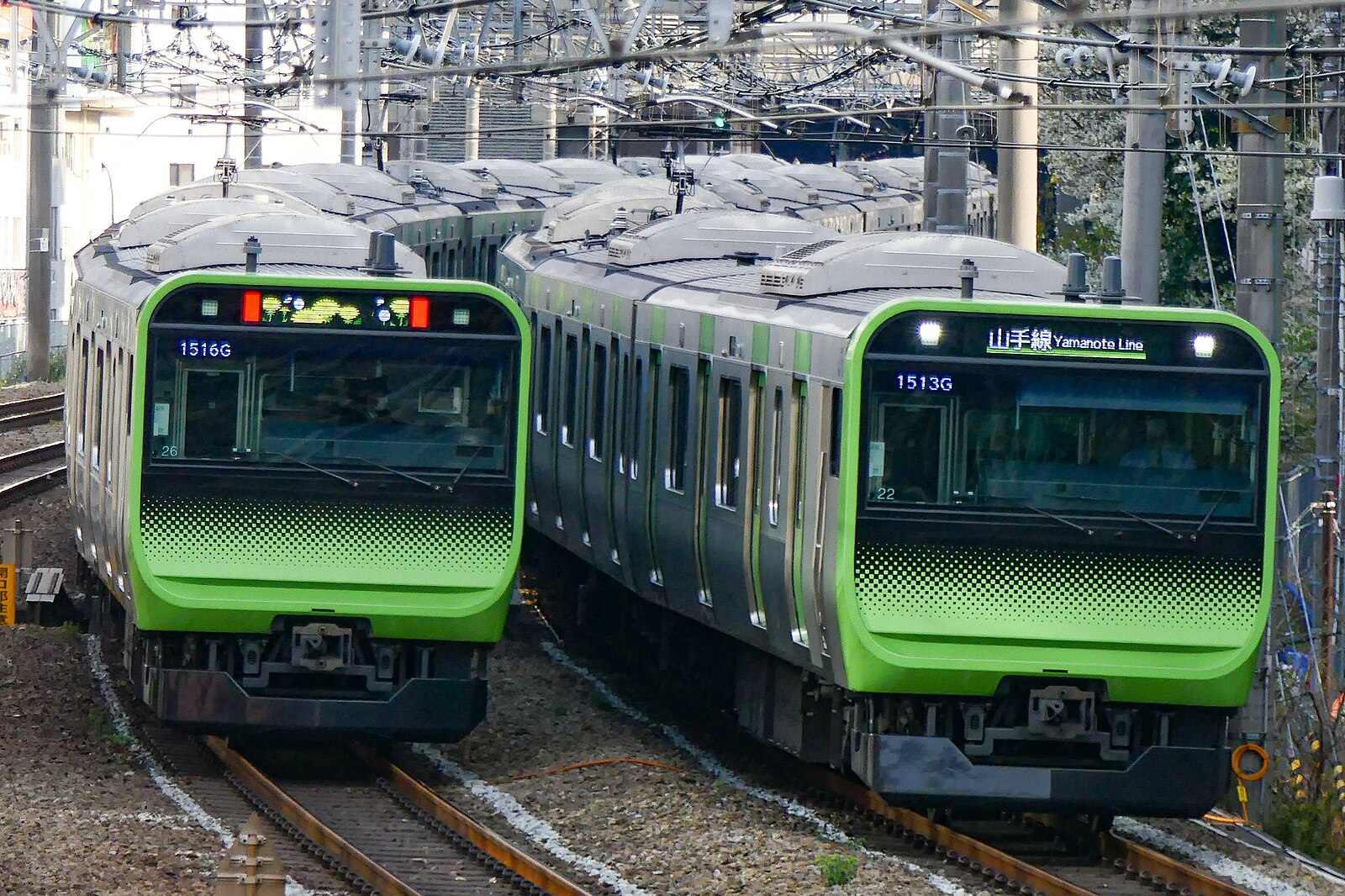
If you're trying to figure out where to base yourself in Tokyo, the Yamanote Line is the single most useful piece of infrastructure to understand. It's a continuous loop — 30 stations, no transfers required — that connects Shinjuku, Shibuya, Harajuku, Akihabara, Ueno, Tokyo Station, Shinagawa, and almost every other place tourists actually want to go. Trains run every two to four minutes during the day, the stations are well-signed in English, and you can get from one side of the loop to the other in under 30 minutes. For a first- or second-time visitor, picking a hotel within a 10-minute walk of any Yamanote stop effectively puts all of central Tokyo within reach without needing to decode subway maps or worry about which platform to use.
Best stations at a glance
Compare the top-ranked station areas by hotel supply and transit lines. Each hotel map shows properties within walking distance of the station.
| Rank | Station area | Hotels within 10 min | Lines | Hotel map |
|---|---|---|---|---|
| #1 | Shin-Okubo | 143 | 山手線 | See hotels → |
| #2 | Okachimachi | 123 | 京浜東北線, 山手線 | See hotels → |
| #3 | Ueno | 114 | 東北新幹線, 京浜東北線, 山手線 | See hotels → |
| #4 | Akihabara | 87 | 総武線, 京浜東北線, 山手線 | See hotels → |
| #5 | Shimbashi | 82 | 東海道線, 山手線 | See hotels → |
| #6 | Ikebukuro | 79 | 山手線, 赤羽線(埼京線) | See hotels → |
| #7 | Kanda | 76 | 中央線, 京浜東北線, 山手線 | See hotels → |
| #8 | Uguisudani | 73 | 京浜東北線, 山手線 | See hotels → |
| #9 | Shinjuku | 69 | 山手線, 中央線 | See hotels → |
| #10 | Yurakucho | 57 | 東海道線, 山手線 | See hotels → |
That said, hotel availability varies enormously depending on which stop you choose. The northeast stretch of the loop — Shin-Okubo, Okachimachi, Ueno, and Akihabara — packs in a surprisingly dense concentration of hotels, with Shin-Okubo alone offering 143 properties within a 10-minute walk. Contrast that with Harajuku at the opposite end of the spectrum, which sits in a low-rise, parkside neighborhood where only 3 hotels are within walking distance, or Meguro and Ebisu, quiet residential-commercial areas with fewer than 10 options each. The pattern generally reflects land prices, zoning, and how commercially developed each neighborhood is — not how interesting or well-located it is.
This guide ranks all 30 Yamanote Line stations by the number of hotels bookable through Agoda within a 10-minute walk, and gives you a ground-level read on each neighborhood so you can match your hotel base to the kind of trip you're planning.
- 山手線
Shin-Okubo is the heart of Tokyo's Koreatown, a dense, street-food-heavy neighborhood where Korean BBQ restaurants, K-pop merchandise shops, and bubble tea stands line the main drag from morning to late night. It leads all 30 Yamanote stops with 143 hotels within a 10-minute walk, most of them compact budget and mid-range properties catering to visitors who want to be in a lively area without paying Shinjuku prices. The station sits one stop north of Shinjuku, so the west side of the loop and major subway interchanges are all just a few minutes away.
See hotels near Shin-Okubo → - 京浜東北線 山手線
Okachimachi sits between Ueno and Akihabara and has a distinctly unglamorous, working-city feel — discount jewelry wholesalers, outdoor goods shops, and cheap lunch spots dominate the streets around the station. What it lacks in polish it makes up for in value: 123 hotels within a 10-minute walk put it second on the entire loop, and its position means Ueno Park, Ameyoko market, and Akihabara's electronics district are all reachable on foot. The Hibiya subway line runs through here too, giving direct access to Ginza and Roppongi without touching the Yamanote.
See hotels near Okachimachi → - 東北新幹線 京浜東北線 山手線
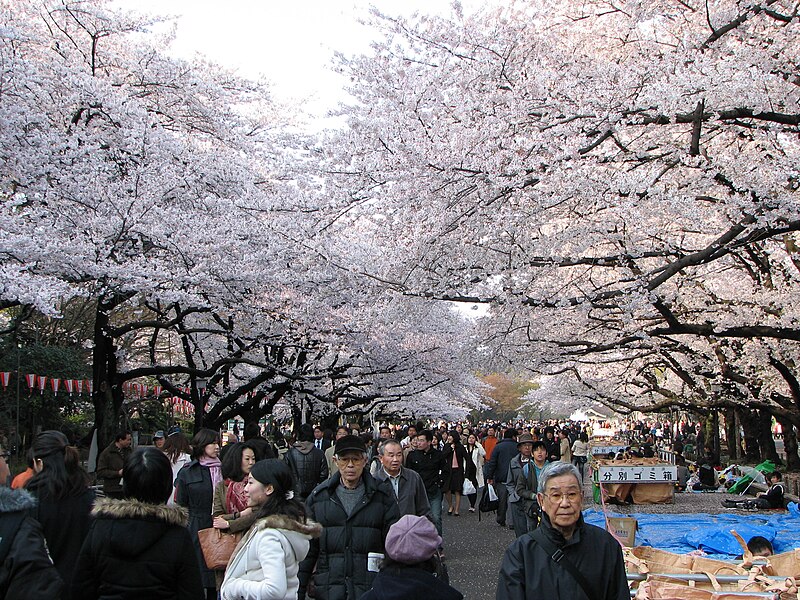
Wikimedia Commons Ueno is one of Tokyo's most practical bases for sightseers: the neighborhood clusters Tokyo National Museum, the National Museum of Nature and Science, Ueno Zoo, and Ueno Park's cherry-blossom grounds all within walking distance of the station. With 114 hotels in a 10-minute radius, there's solid variety across price points from budget capsules to full-service business hotels. Ueno is also a major transit hub — the Keisei Skyliner to Narita Airport departs from adjacent Keisei Ueno Station, making it a strong choice if you're flying in or out of Narita.
See hotels near Ueno → - 総武線 京浜東北線 山手線
Akihabara's reputation for electronics and anime merchandise is well-earned — the main street is lined with multi-floor retailers selling everything from vintage components to figurines — but the area has also become a genuinely convenient hotel base with 87 properties within a 10-minute walk. It sits near the bottom of the Yamanote loop's east side, close to both Ueno and Tokyo Station. The JR Sobu and Hibiya lines intersect here, which means you can reach Asakusa, Ginza, and the western suburbs without backtracking through a major hub.
See hotels near Akihabara → - 東海道線 山手線
Shimbashi is a salaryman neighborhood in the truest sense — packed with izakayas, ramen counters, and office workers at all hours — and it punches well above its tourist profile with 82 hotels within a 10-minute walk. Its real advantage is connectivity: the Ginza subway line, Asakusa line, and Yurikamome monorail (for Odaiba) all terminate or pass through here, and it's walking distance from the upscale shopping of Ginza. Travelers who want central access without the price premium of a Ginza address tend to land here.
See hotels near Shimbashi → - 山手線 赤羽線(埼京線)
Ikebukuro is the Yamanote loop's major northern hub — a dense commercial center with two enormous department stores anchoring the east and west exits, plus a strong anime and manga retail scene that gives it a character distinct from Akihabara. Seventy-nine hotels sit within a 10-minute walk, spanning the full range from budget to upper-mid-range. It's also one of Tokyo's busiest transfer stations, connecting the Marunouchi, Fukutoshin, and Yurakucho subway lines, and the Tobu and Seibu private railways that serve the city's northwest suburbs.
See hotels near Ikebukuro → - 中央線 京浜東北線 山手線
Kanda sits in a low-key business and old-shitamachi district between Tokyo Station and Akihabara, known for its dense concentration of secondhand bookshops along Jimbocho (a short walk away) and a scattering of small shrines and older storefronts. With 76 hotels within 10 minutes, it offers genuine proximity to the Imperial Palace grounds and Marunouchi business district, and Tokyo Station — with its Shinkansen access and Narita Express connection — is just one stop south. Rates here tend to be more competitive than at Tokyo Station itself.
See hotels near Kanda → - 京浜東北線 山手線
Uguisudani is one of the Yamanote's less-talked-about stops, squeezed between Ueno and Nippori on the northeast side of the loop, and it has an unusual distinction: many of the 73 hotels within a 10-minute walk are love hotels clustered along the slope below the tracks. That said, the area is quiet, prices for standard hotels here tend to be lower than neighboring Ueno, and you're still a five-minute train ride from Ueno's museums and the Keisei Skyliner to Narita. Worth considering if the Ueno area appeals but hotel rates feel steep.
See hotels near Uguisudani → - 山手線 中央線
Shinjuku is probably what most people picture when they think of Tokyo — a chaotic, neon-lit supercenter with the world's busiest train station at its core. It's only ninth on this list with 69 hotels within a 10-minute walk, which reflects how expensive land around the station is rather than any lack of options; the hotels that are here tend to skew mid-range and above. Shinjuku is a critical transit hub for reaching Kyoto and Osaka (Narita Express stops here, and limited express trains to Mt. Fuji depart from the west side), and the Shinjuku Gyoen national garden and Golden Gai bar district are both walking distance.
See hotels near Shinjuku → - 東海道線 山手線
Yurakucho occupies a narrow strip between Tokyo Station and Ginza, with izakayas tucked under the elevated train tracks on one side and the start of Ginza's flagship stores a few minutes' walk in the other direction. Fifty-seven hotels within a 10-minute walk include some of Tokyo's best-located luxury and upper-mid-range properties, and the Hibiya and Yurakucho subway lines provide direct access to Roppongi, Shibuya, and Ikebukuro. If being within walking distance of both Tokyo Station's Shinkansen access and Ginza's dining scene is a priority, this is the spot.
See hotels near Yurakucho → - 山手線
Shibuya's scramble crossing and youth fashion culture make it one of Tokyo's most-photographed neighborhoods, but with 52 hotels in a 10-minute radius the options are more limited than the area's fame might suggest. The hotels that are here tend to be newer and design-forward, reflecting the ongoing redevelopment of the neighborhood. Shibuya is an important transport hub with connections to the Tokyu Toyoko Line (for Yokohama), Keio Inokashira Line (for Shimokitazawa), and several subway lines, making it easy to reach parts of the city that the Yamanote itself doesn't cover.
See hotels near Shibuya → - 東海道線 山手線
Hamamatsucho is a business-district station on the southwest side of the loop, largely functional in character but with 51 hotels within a 10-minute walk that cater primarily to domestic business travelers. Its standout feature for international visitors is the Tokyo Monorail terminal, which connects directly to Haneda Airport in about 20 minutes — making this one of the best Yamanote stops to book if you're flying into or out of Haneda. The Keihin-Tohoku and Asakusa subway lines also pass through, adding transfer flexibility.
See hotels near Hamamatsucho → - 山手線
Otsuka is a quiet, residential-commercial stop on the northern arc of the Yamanote loop, sitting between Ikebukuro and Sugamo, with a low-key shopping street running north from the station. Fifty hotels within a 10-minute walk make it one of the more under-the-radar options for travelers who want proximity to Ikebukuro without the noise and crowds. The Toden Arakawa tram line — one of Tokyo's last surviving streetcar routes — has a stop right outside the station, which is a draw in itself for people who want to explore the older northeast neighborhoods.
See hotels near Otsuka → - 京葉線 総武線 東海道線 東北新幹線 京浜東北線 山手線
Tokyo Station sits at the symbolic center of Japan's rail network, and staying within its 10-minute radius puts you equidistant from the Imperial Palace, Marunouchi's business towers, and Ginza. The 50 hotels nearby include some of Tokyo's most prestigious addresses, so rates skew higher than most other Yamanote stops. The station itself is a primary transit hub: Shinkansen lines fan out to Kyoto, Osaka, Hiroshima, and Hokkaido, and the Narita Express (N'EX) has dedicated Tokyo Station departures, making it the best single point for travelers connecting to the bullet train network.
See hotels near Tokyo → - 常磐線 京浜東北線 山手線
Nippori is best known among visitors for Yanaka, the temple-and-craft-shop neighborhood that stretches southwest from the station and offers one of Tokyo's most intact pre-war streetscapes. Thirty-four hotels within a 10-minute walk are mostly budget and mid-range, reflecting the residential and heritage character of the area. Nippori is also a practical transit point: the Keisei Main Line runs through here offering a slower but cheaper alternative route to Narita Airport compared to the Skyliner from Ueno.
See hotels near Nippori → - 山手線
Sugamo has an unusual identity for a Yamanote stop — it's sometimes called 'Grandma's Harajuku' for its famous Jizo-dori shopping street, lined with red-underwear vendors, traditional confectionery shops, and pilgrimage temple Kogan-ji. With 28 hotels within a 10-minute walk, it's a genuinely quiet base that sits well north of the tourist loop but has fast Yamanote access south to Ikebukuro and Shinjuku. If you're a repeat visitor looking for a local-feeling neighborhood rather than a tourist-facing one, Sugamo is worth a second look.
See hotels near Sugamo → - 京浜東北線 山手線
Nishi-Nippori is one stop north of Nippori and shares the same quiet, residential-historic atmosphere of the Yanaka area. Its 28 hotels within a 10-minute walk are clustered in a small supply zone, and the area functions mostly as a local commuter stop rather than a tourist hub. The Chiyoda subway line departs from here, giving direct access to Meiji Jingu-mae (Harajuku) and Omotesando without needing to circle the Yamanote loop, which partially offsets the limited hotel count for travelers who want west-side access from a cheaper base.
See hotels near Nishi-Nippori → - 東海道線 山手線
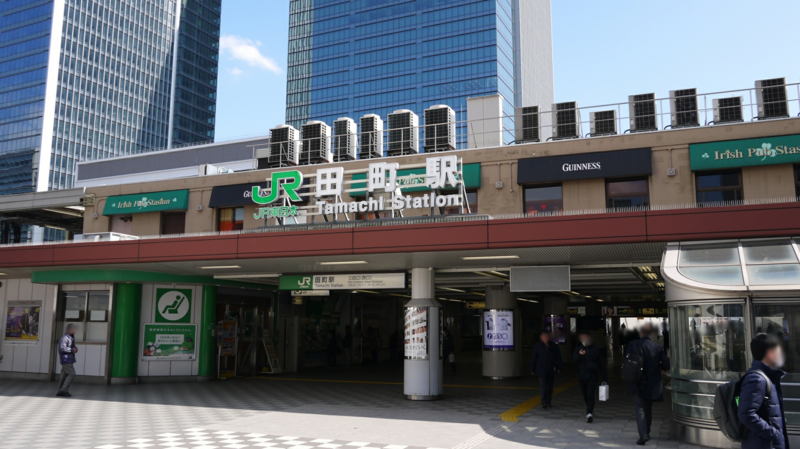
Wikimedia Commons Tamachi is a low-profile business district stop on the southwest side of the Yamanote, home to university campuses and corporate offices rather than tourist attractions. Twenty-five hotels within a 10-minute walk serve mainly corporate travelers, and rates here tend to be competitive with Shinagawa neighbors. It's one stop north of Shinagawa, so Shinkansen access and Keikyu trains to Haneda are close, and it's a reasonable option if you're combining a Tokyo stay with onward travel south toward Yokohama or Kyoto.
See hotels near Tamachi → - 山手線
Osaki has undergone significant redevelopment over the past two decades, transitioning from an industrial area into a cluster of office towers and commercial blocks on the south end of the Yamanote loop. Twenty-three hotels within a 10-minute walk are mostly business-oriented and newer in construction. The Rinkai Line departs from Osaki and runs directly to Tokyo Teleport Station in Odaiba — useful if you're visiting teamLab or the waterfront — and the stop is a short ride from Shinagawa's Shinkansen and Haneda connections.
See hotels near Osaki → - 山手線
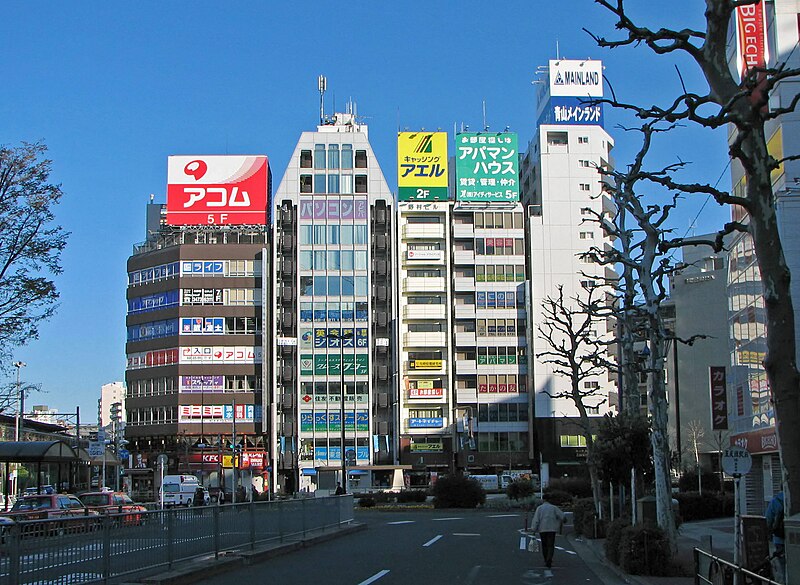
Wikimedia Commons Gotanda sits on the southwest arc between Osaki and Meguro and has a gritty, lived-in character with a busy covered shopping street and plenty of izakayas. The 20 hotels within a 10-minute walk are mostly budget to mid-range, and the Tokyu Ikegami Line departs here toward the south of the city. It's not a particularly sightseeing-oriented base, but if you're traveling on a tighter budget and want Yamanote loop access without the premium of Shibuya or Shinjuku, Gotanda delivers solid value.
See hotels near Gotanda → - 山手線
Komagome is a calm, mid-northern stop on the Yamanote loop, most notable for Rikugien Garden, one of Tokyo's finest Edo-period strolling gardens, which is less than 10 minutes on foot from the station. Twenty hotels within a 10-minute walk make it a thin market, but those who book here tend to appreciate the neighborhood's unhurried pace relative to more commercial Yamanote stops. The Namboku subway line runs through Komagome, connecting south to Roppongi-itchome and north toward Akabane-iwabuchi.
See hotels near Komagome → - 山手線 中央線
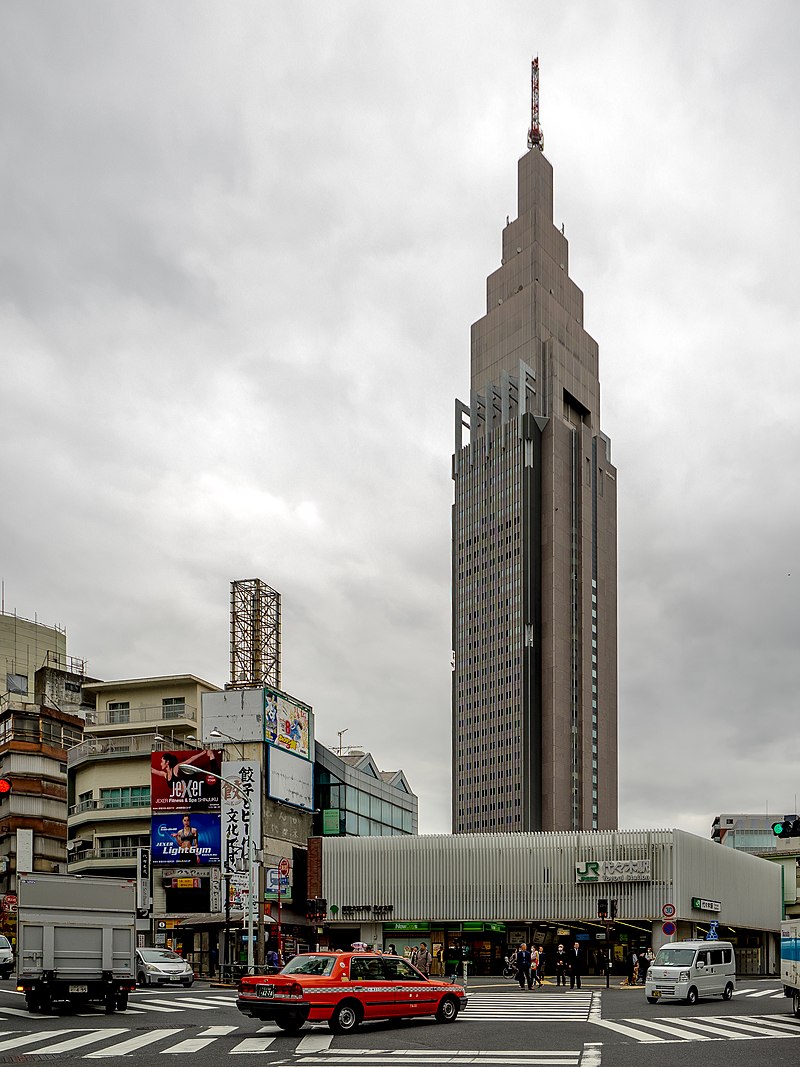
Wikimedia Commons Yoyogi sits between Shinjuku and Harajuku on the western side of the loop, with Yoyogi Park's broad open spaces immediately adjacent to the south. Seventeen hotels within a 10-minute walk is a modest inventory, partly because the surrounding area is dominated by park land, NHK broadcast facilities, and residential blocks. The Oedo subway line intersects here, giving a useful diagonal cross to Roppongi and Shiodome, and Shinjuku is one stop north — so travelers who can't find availability in Shinjuku should check here too.
See hotels near Yoyogi → - 山手線 京浜東北線
Tabata is one of the least visitor-trafficked stops on the Yamanote loop, a quiet residential and light-commercial area on the northeast curve between Nishi-Nippori and Komagome. Sixteen hotels within a 10-minute walk is a thin selection, and most travelers would pass through rather than base themselves here. That said, the Keihin-Tohoku Line also runs through Tabata, giving a direct route to Akihabara, Kanda, and points south without using the Yamanote, which adds a degree of utility that the neighborhood's modest profile doesn't immediately suggest.
See hotels near Tabata → - 山手線
Mejiro is a pleasant, leafy stop between Ikebukuro and Takadanobaba with a reputation as one of the Yamanote's quieter, more upmarket residential neighborhoods. Sixteen hotels in a 10-minute radius reflects its low-density character — this isn't an area built around tourists or business travelers. It's one stop from Ikebukuro, so the transport connections and commercial options there are nearby, and the station's surrounding streets are genuinely attractive for an early-morning walk. A reasonable pick if you specifically want a quieter residential feel close to Ikebukuro's infrastructure.
See hotels near Mejiro → - 山手線 東海道線
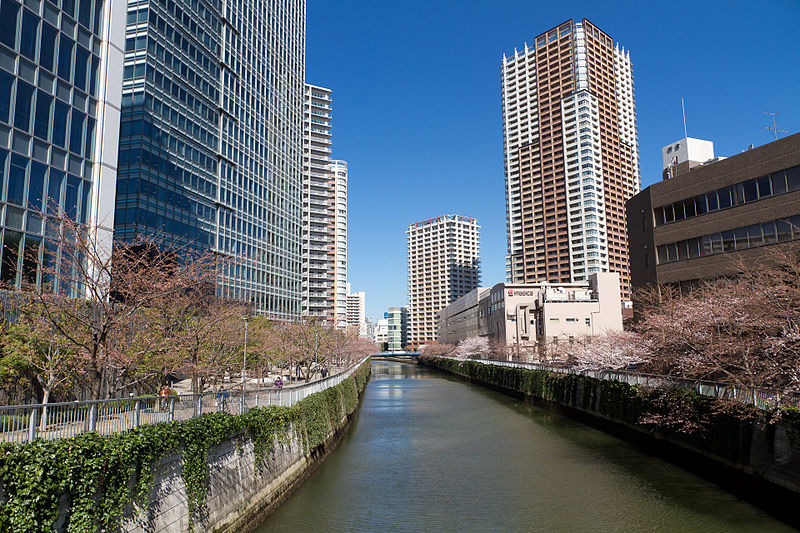
Wikimedia Commons Shinagawa is a major business hub anchoring the south side of the Yamanote loop, and its 15 hotels within a 10-minute walk actually undersells how much accommodation exists nearby — many properties sit just outside the strict 10-minute radius in the broader Shinagawa district. It's one of Tokyo's best-connected stations for onward travel: Tokaido Shinkansen trains bound for Kyoto, Osaka, and Hiroshima stop here, and the Keikyu Line runs directly to Haneda Airport in under 20 minutes. The Narita Express also stops at Shinagawa, covering both major airports from a single station.
See hotels near Shinagawa → - 山手線
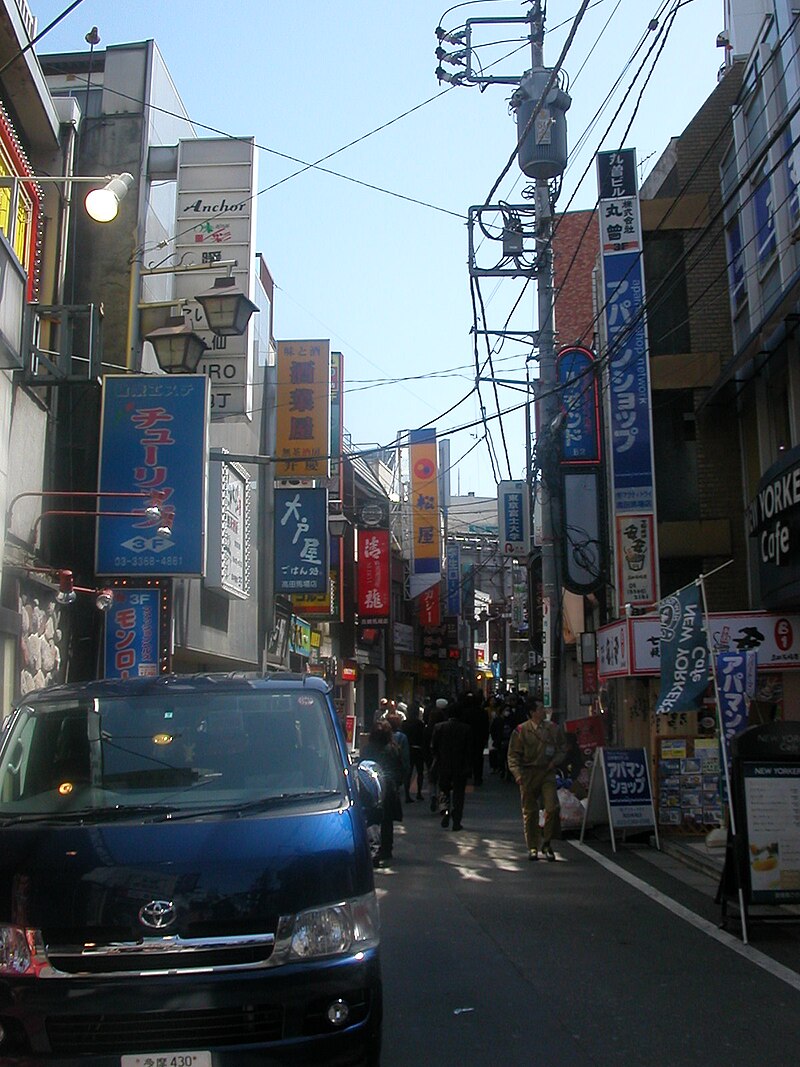
Wikimedia Commons Takadanobaba is a student-heavy neighborhood dominated by Waseda University, packed with cheap restaurants, secondhand book and record stores, and an unpretentious local energy. Thirteen hotels within a 10-minute walk is a limited market, but what exists tends to be affordable relative to the neighboring Shinjuku area, which is just two stops south. The Tōzai subway line departs from Takadanobaba and cuts east directly to Waseda, Iidabashi, and Nihonbashi, which expands the practical range of this base beyond what the Yamanote alone covers.
See hotels near Takadanobaba → - 山手線 東海道線
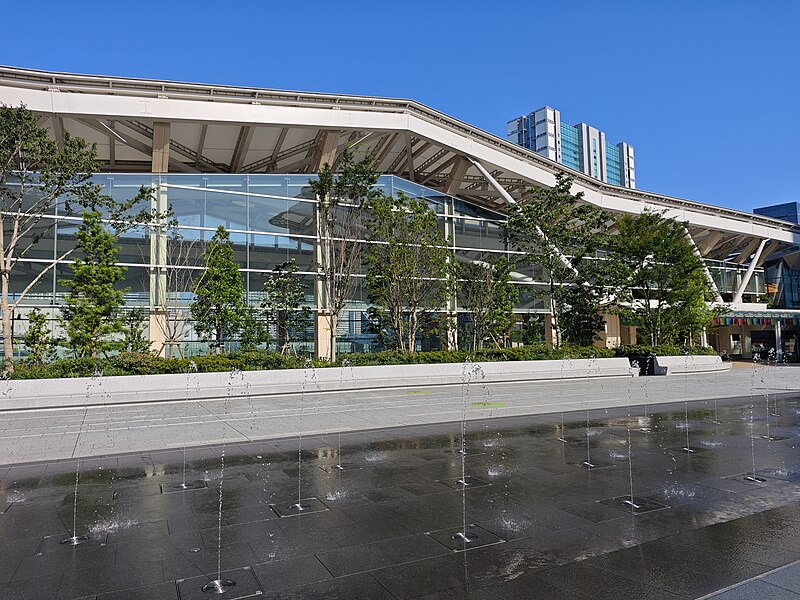
Wikimedia Commons Takanawa Gateway is the newest station on the Yamanote Line, opened in 2020, and it sits in the middle of an ongoing large-scale urban development zone between Shinagawa and Tamachi. Thirteen hotels within a 10-minute walk is a count that will likely grow as the surrounding redevelopment matures. Its proximity to Shinagawa — one stop north — means Shinkansen access and Keikyu trains to Haneda are close, making it a functional choice for travelers who find Shinagawa hotels fully booked and are comfortable with a slightly unfinished-feeling neighborhood.
See hotels near Takanawa Gateway → - 山手線
Ebisu is one of the Yamanote loop's more upscale residential stops, best known for the Ebisu Garden Place complex — a former brewery campus turned shopping, dining, and museum district. Only 9 hotels sit within a 10-minute walk, reflecting the area's predominantly residential and mid-to-high-end commercial character. It's one stop south of Shibuya and the Hibiya subway line also runs through here, giving access to Roppongi and Ginza. Travelers who want a calmer base near Shibuya's transit connections but away from the crowds will find the limited inventory worth hunting for.
See hotels near Ebisu → - 山手線
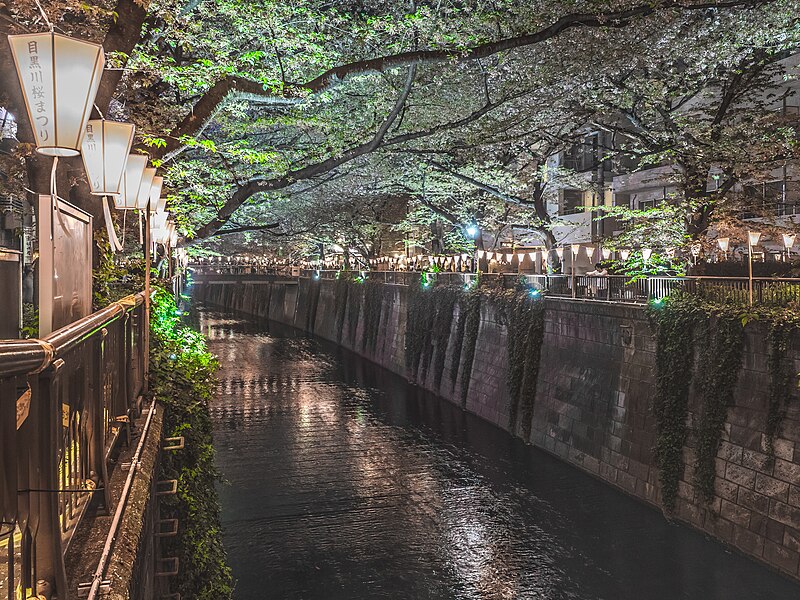
Wikimedia Commons Meguro is a well-heeled residential area on the southwest side of the loop with a relaxed, neighborhood-restaurant energy along the Meguro River corridor. Like Ebisu, it yields only 9 hotels within a 10-minute walk — land use here is weighted heavily toward apartments, offices, and dining rather than hospitality. The Tokyu Meguro Line and Namboku and Mita subway lines depart from Meguro, which broadens connectivity considerably, and the area has become popular with repeat visitors who want a local-feeling base rather than a tourist-district one.
See hotels near Meguro → - 山手線
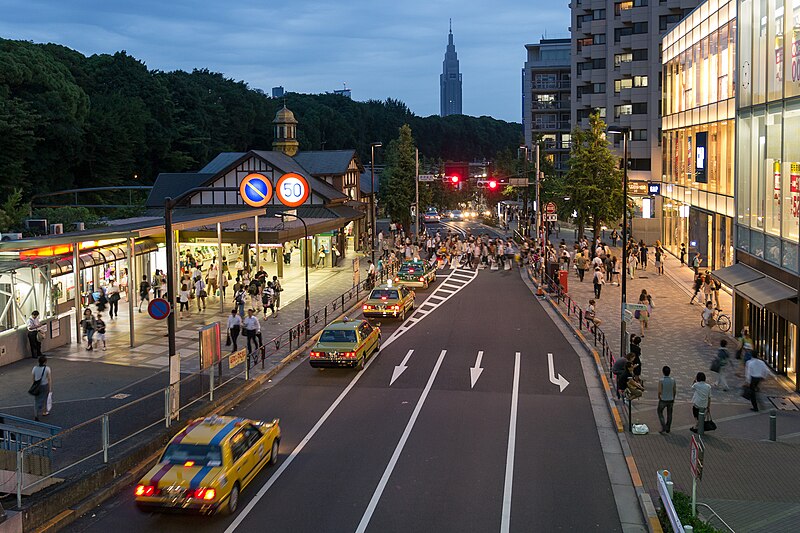
Wikimedia Commons Harajuku finishes last on the list with just 3 hotels within a 10-minute walk — a striking figure given how famous the neighborhood is. The station sits between Yoyogi Park's green expanse and the low-rise fashion and café streets of Omotesando and Takeshita-dori, and the surrounding blocks are dominated by boutiques, restaurants, and parkland rather than hotel infrastructure. It's a great neighborhood to visit from a base elsewhere on the loop, and the adjacent Meiji Jingu shrine is one of Tokyo's must-see sites, but travelers should not expect to find accommodation close to the station.
See hotels near Harajuku →
More Tokyo hotel guides
- Hotels Near the Tokyo Ginza Line: 19 Stations Ranked
Find hotels near the Tokyo Ginza Line. All 19 stations ranked by hotel count within a 10-minute walk, including Asakusa, Ueno, Ginza, and Shibuya.
How this list was compiled
Rankings are based on Agoda inventory counts for hotels located within a 10-minute walking radius of each of the 30 Yamanote Line stations. All stops on the loop were included — no stations were excluded for low counts. Walking radii were measured from each station's main exit, and only properties bookable as hotels (not long-stay apartments or hostels classified separately on Agoda) were counted. Counts represent a snapshot of available inventory and may shift modestly over time as new properties open or close.
Before you book, check the station map page for whichever stop catches your eye. Hotel counts tell you how much choice you have, but the map shows you exactly where properties are clustered, whether they're on the quieter side of the tracks, and how close they actually sit to the exit you'll be using every day. That ground-level view makes a real difference when you're comparing two properties with similar prices.